Addiction Treatment Texas: Mobile Apps and Digital Equipment for Healing
On a boiling afternoon in San Antonio, a client completed a change on the Northside and walked to his auto. Prior to pulling out, he opened a recovery app, logged a craving, and struck a two minute grounding workout. That tiny pause, absorbed the color of the parking garage, pushed his day back on track. This is the texture of modern addiction treatment in Texas. Phone in pocket. Care within. The human job of recuperation, sustained by simple, deliberate technology.
Texas extends broad, and so do the spaces people have to cross to find aid. Waiting lists in the Hill Nation can run weeks. Bexar Area has strong inpatient and outpatient options, but not everybody can leave job or child care to appear face to face three days a week. Out in the Rio Grande Valley and the Panhandle, distance and transport turn every appointment into a half day dedication. The stakes of these obstacles are clear enough. Missed out on check outs snowball. A lapse, after that a longer stretch far from treatment. Digital tools were never ever a treatment, however they can produce much more doors, open up more often, for more people.
What phones can realistically include in addiction care
When clinicians discuss "digital health and wellness," we are not simply referring to glamorous features. The tools that have a tendency to help the most are generally plain. A nudge to take buprenorphine on time. A tap-to-join web link for a digital team. Brief cognitive behavioral therapy workouts that fit in between responsibilities. A very discreet conference finder within a few miles of the Alamo Dome prior to a late shift. The innovation functions when it lowers rubbing, develops skills, and tightens the loop between an individual and their recovery team.
It likewise has restrictions. No application replaces a physician who can diagnose, change medicine, and take care of clinical or psychological complexity. No push notice talks a person through a panic spike at 2 a.m. With the very same warmth as a trusted therapist. Unsupervised detoxification can be dangerous. Family systems work, trauma treatment, and co-occurring disorders still require experienced human beings. The art remains in blending both, not choosing one over the other.
The present landscape in Texas
Texas has actually invested in telehealth infrastructure, especially considering that 2020, and numerous addiction centers remain to provide virtual sessions. In bigger city areas such as San Antonio, Houston, and Dallas, outpatient programs currently make use of mixed models that integrate in-person and online gos to. In rural counties, phone-only and video clip visits have actually ended up being a lifeline. Medicaid and several industrial strategies recognize telehealth for compound usage problem services when medically suitable, though insurance coverage varies by plan and region.
On the ground, I see three patterns across the state:
- People in cities utilize applications to string care into jampacked days. One San Antonio mommy signs up with virtual IOP on her lunch breaks and coatings research components after bedtime.
- People in backwoods utilize telemedicine to connect to addiction doctors for medications and regular check-ins, avoiding hours of driving.
- People with unstable routines, such as oilfield employees near the Permian Container or solution workers along I-35, lean on smart devices for micro-interventions, schedule control, and quick help throughout travel.
Each pattern brings various risk points, from privacy at home to cell insurance coverage to prescription logistics. The right electronic arrangement anticipates those edges.
Categories of mobile and electronic supports that in fact help
Daily recovery assistance applications. These are the journaling, food craving monitoring, and abilities practice devices. They host quick modules on triggers, distress resistance, and values work obtained from CBT and DBT. The most effective ones are silent and trustworthy. They conserve entrances in your area when offline, lots in a second, and do not toss ads right into at risk minutes. They can export summaries that a person can show their therapist when ready.
Telemedicine and medication administration. For opioid usage disorder, drugs like buprenorphine and methadone reduce overdose threat and improve retention in care. Texas guidelines enable buprenorphine initiation and follow-up by telemedicine under specific problems. Digital medication visits, e-prescriptions to local drug stores, and basic adherence tools like timed pointers and re-fill schedules make a quantifiable distinction. If you reside on the South Side of San Antonio and function two tasks, not having to spend 90 mins in web traffic for a 20 minute check-in is no tiny thing.
Community and common help platforms. Not everyone desires a camera-on group. Some favor text-first neighborhoods, moderated discussion forums, or confirmed teams that satisfy on encrypted platforms. Digital conference finders for AA, NA, SMART Healing, Refuge Recovery, and Commemorate Recuperation can be filtered by time of day and language. Many groups around Bexar Region message crossbreed choices, so a person can try a conference basically prior to walking in later.
Contingency monitoring delivered by application. Motivations for conference recuperation objectives, provided as small gift cards or credit reports, are among the most evidence-supported behavioral tools in addiction treatment. While insurance coverage continues to be spotty, programs piloting electronic contingency administration in Texas see greater participation and even more adverse medication screens during the energetic motivation stage. Openness matters here. The requirements need to be clear, the incentives moderate, and the personal privacy protections strong.
Crisis and safety devices. A one-tap course to 988, a neighborhood warmline, or a clinic's on-call number can quit damage from compounding. Overdose education and naloxone locator features are progressively usual. In San Antonio, drug stores and community teams consistently distribute naloxone at little or no cost; an app that maps these websites in genuine time can save mins that matter.
Family and ally tools. Applications that teach craft-informed communication, limits, and regression response preparation assistance households line up with therapy groups. A dad in Leon Valley may not need to understand day-to-day details, yet he gains from short, functional lessons on just how to establish expectations and support medicine adherence.
Wearables and biofeedback. The promise here is earlier caution of stress and anxiety load, rest financial debt, or physical stimulation that forecasts cravings. The data can be loud and not everybody suches as monitoring. But for a subset of individuals, a mild vibration to breathe, or a seven day sleep trend, imitates a weather forecast. It does not tell you whether to go outside, yet it does recommend you bring an umbrella.
What the proof supports, and what it does not
The study on digital tools in addiction treatment is huge and unequal. A couple of points hold up across evaluations:
- Digital CBT programs for compound usage show small to modest advantages, particularly when combined with clinician support.
- Contingency monitoring has robust proof in several materials. When delivered via apps, results resemble in-person programs if monitoring honesty is maintained.
- Text message sustains can lower gap days and boost consultation adherence, though effects vary with customization and frequency.
- Telemedicine for buprenorphine is related to retention and adherence prices equivalent to in-person care when clinical infrastructure is sound.
Where evidence is weak: standalone, unguided apps that assure to replace therapy. Game-like functions without scientific structure rarely convert to long lasting adjustment. Claims of biometric food craving detection must be treated thoroughly unless confirmed in clear studies. A practical regulation is to prefer tools that make it simpler to do what you already know works, rather than tools that declare to develop a new path.
A week of real use, stitched from Texas lives
Monday night in San Antonio, an individual in very early recuperation from alcohol usage problem finishes a restaurant shift. He steps outside the back door, sees coworkers light up, and feels the pull. He opens his app, runs a three minute urge surfing sound, and messages his peer instructor, that responds 10 minutes later on with basic appreciation and a plan to hit a noon satisfying the next day near Woodlawn Lake.
Tuesday morning in Lubbock, a mommy balancing childcare signs up with a telemedicine browse through in her minivan. She validates her buprenorphine dose is stable, shows her rest log, and sets a pointer to grab refills at 5 p.m. The facility portal pings her when the prescription gets rid of. She screenshots the QR code to speed pickup.
Wednesday in the Rio Grande Valley, a student who prevents telephone call makes use of a chat-based support platform to reveal a lapse. The train assists her map the series, choose one switch for following time, and texts her a tiny checklist she pins to her lock screen.
Friday near Corpus Christi, a worker on a variable schedule uses a backup management app to publish proof of treatment participation. He gains a little incentive, which he places towards gas. The app reminds him to reorder naloxone before a long weekend.
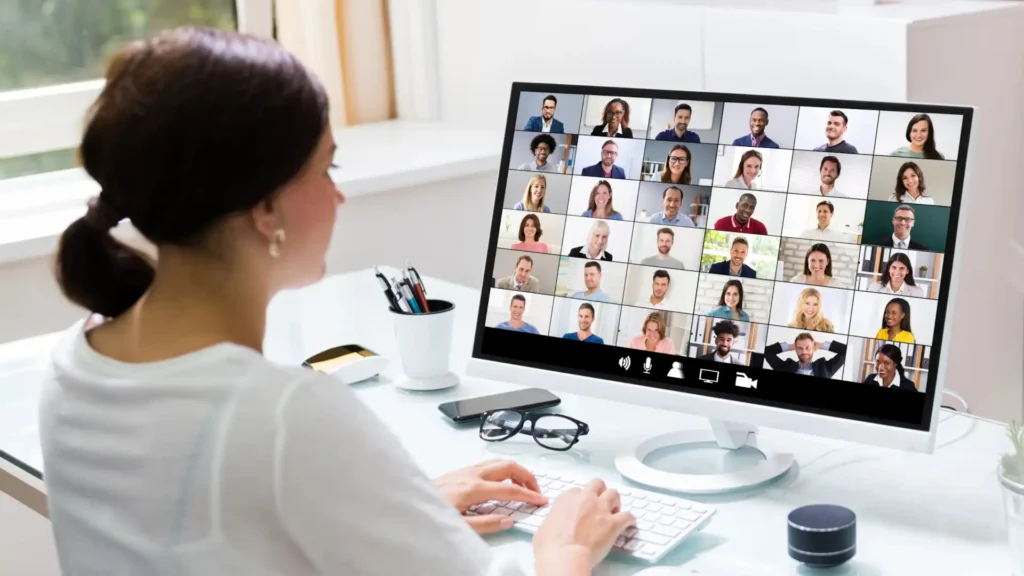
None of these minutes are significant. The work is recurring and modest, which is just how routines harden.
Choosing tools that respect your privacy and your goals
The app stores are crowded, and high quality differs. To keep points concrete, below is a short list that individuals and clinicians in Texas discover beneficial when assessing options.
- Evidence and transparency: Does the app mention the scientific methods it makes use of? Exist references to peer-reviewed studies or established therapies like CBT, DBT, or contingency monitoring, without overpromising?
- Data personal privacy: Is there a clear, legible personal privacy policy? Are data shown to 3rd parties for advertising and marketing? Can you delete your data? SUD details can be extra delicate under 42 CFR Part 2 rules.
- Integration with treatment: Can you export a summary to your therapist or medical professional? Does the app play nicely with your facility's telemedicine system as opposed to dealing with it?
- Cost and invoicing clearness: Exists a cost-free tier that is in fact beneficial? If it is membership based, can you cancel in-app? Exist hidden fees around premium content?
- Fit with your day: Does the application lots rapidly on your gadget and job offline when needed? Are notifications quiet and adjustable? Does it can be found in Spanish or deal bilingual material if that issues to you?
If a tool discovers 2 or more of these, maintain looking. Better to have 1 or 2 strong apps you use daily than six you ignore.
The San Antonio picture
Addiction treatment in San Antonio has appearance. Public facilities, VA solutions, faith-based programs, and exclusive techniques overlap in a manner that offers individuals options. College Health and wellness uses SUD services, and the VA, with its solid presence, commonly leads on integrated psychological health and addiction take care of veterans. Lots of techniques right here adopted telehealth early and maintained it since it works for functioning families.
Local aspects form electronic choices. Warmth drives much more interior time for much of the year, so digital groups set up at lunch or late evening see strong presence. Bexar Area's varied populace makes multilingual material not optional. For individuals on the South or West Side with erratic broadband, apps that function on low data transfer or with offline caching stand apart. Incorporating SMS tips for bus timetables or trip share vouchers can shut the loophole for those that count on public transit.
If you are assembling addiction treatment in San Antonio, think in layers. A https://sergiocisn356.valiantfield.com/posts/san-antonio-addiction-treatment-and-floor-covering-buprenorphine-methadone-and-naltrexone-2 doctor or facility for medication and medical oversight. A counselor or team for skills and link. One main application for everyday assistance and one communication channel to your group. Not 10. Not no. Enough to reinforce the work without creating noise.
Setting up your phone for recovery
This component appears basic, but it conserves sorrow. Silence unnecessary notices during therapy hours and conferences. Maintain recovery applications on the initial display, not hidden in a folder where they gather dirt. Include the 988 Suicide and Crisis Lifeline to favorites, together with your clinic and one trusted person. Establish medicine alarm systems to delicately duplicate, with tags, so you can act without believing. If your phone sustains Focus modes, create a Recovery mode that allows phone calls from assistance get in touches with and blocks the rest.
People commonly fret about privacy when they live with others. Use app-specific passcodes if used. Shut off message previews on the lock display. If a shared Apple ID or Google account means your downloads appear somewhere else, switch to your very own account prior to setting up healing tools.
Integrating digital devices into scientific care
From the clinician side, combination is manual. If a patient brings application data to a session, ask what patterns attract attention to them as opposed to diving right into graphes. Let them lead. If you make use of remote monitoring for medicine adherence or breath alcohol checks, set expectations in writing. Choose together just how typically to evaluate digital data and what will trigger an out-of-cycle telephone call. Tiny, steady uses beat occasional deep dives.
For telemedicine, adopt boring, safe platforms that release in a faucet and avoid managing logins. Send links by SMS and e-mail, 5 mins prior to session start. In bilingual setups, use interpreters who can join online spaces without rubbing. Train front workdesk personnel to repair electronic camera and microphone permissions. If your center offers probationers or parolees, clarify what information you do and do not show monitoring agencies, and placed it in authorization types that individuals can really read.
Texas legislation recognizes the heightened confidentiality of SUD records under federal policies. Numerous direct-to-consumer applications are not covered entities under HIPAA, which implies their privacy commitments differ. When centers recommend or advise apps, they need to veterinarian information methods and be specific about boundaries.
Paying for digital care without damaging your budget
Costs build up quietly. A free application ends up being 9.99 a month after 7 days. A telehealth system tacks on an ease charge. Right here are useful methods Texans maintain expenses in line:
Leverage insurance policy for scientific solutions. Telemedicine gos to with certified medical professionals for treatment or medicine are commonly covered the same as in-person check outs, with normal copays. Ask centers in advance regarding self-pay discount rates for digital care.
Use HSA or FSA funds for qualified solutions and devices. Not every membership qualifies, yet sees, suggested tools, and some remote surveillance charges can.
Prefer community programs with electronic arms. Lots of mutual help teams and nonprofits use no charge apps, message sustains, or on-line teams. In San Antonio, churches and recreation center frequently hold hybrid meetings without fees.
Take benefit of Lifeline and Affordable Connection Program benefits if eligible. A discounted strategy can make telemedicine feasible. Town library in Bexar Region additionally give exclusive spaces and Wi-Fi, which people use for visits when home is not private.
If you do pick a paid recuperation application, begin monthly, not every year. That way you can pivot if the fit is poor.
Equity, language, and the digital divide
Digital tools can expand voids when created for ideal individuals on rapid networks. Clinics in Texas that are successful with technology adapt to their people. They pick interfaces that run on older Android phones. They sustain Spanish and English web content. They couple clients with navigators that can establish applications throughout consumption, not as an afterthought. They do not presume every person fits on video clip. They keep phone-only options on the table.
Trauma is common in the backgrounds of individuals with substance use disorders. Products that need continuous self-monitoring can feel invasive for some. Deal options that develop agency without surveillance. Invite responses. Ask what really feels helpful and what feels like a tripwire.
Red flags that a recovery application might do more damage than good
- Vague or missing out on privacy plan, or language that enables information sharing for advertising and marketing or analytics without clear limits.
- Claims to detect, treat, or cure addiction without medical professional involvement, or pledges of guaranteed success.
- Pressure techniques such as constant upsells, countdown timers, or shaming messages when objectives are missed.
- No method to export your data or remove your account, and no visible customer support channel.
- Confusing pricing, free tests that convert without notice, or paywalls around basic security features.
If you detect two or even more of these, go back. There are far better options.
Where public wellness satisfies the phone in your hand
Overdose risk has moved in recent times, with artificial opioids and polysubstance use making complex the picture. Timely details saves lives. Texas health and wellness departments and damage decrease teams circulate alerts when a neighborhood supply is contaminated. Apps that pass on confirmed alerts and straight individuals to naloxone or fentanyl test strips decrease blind spots. In San Antonio, several area companies run text based outreach lists that do the same collaborate with low tech reliability.
On the avoidance side, colleges and colleges in the region have started piloting electronic testings and recommendations that fulfill students where they hang around. Short, confirmed sets of questions provided by phone can flag danger early and connect pupils to campus counseling or community sources without stigma.
The path onward, without hype
We are not headed to a future where a wristband runs your recuperation. The more trustworthy vision is average. The phone gets a little smarter about your day. The clinic see begins promptly because the link functioned. The team is complete enough since people can sign up with from the cooking area table. The app suggests a three min exercise prior to a high-risk hour, and you have practiced enough to try it. You still need your team. You still need your factors. Yet the harsh sides are fined sand down.
For Addiction treatment texas to work at scale, three components issue: gain access to, count on, and fit. Access means data transfer, gadgets, and protection. Depend on grows from clear personal privacy promises and devices that behave. Fit originates from tailoring to San Antonio's rhythms, to the Valley's ranges, to Houston's change job, to the Panhandle's sporadic coverage. It is local. It is personal.
If you are selecting your next action, keep it basic. Pick one clinician or clinic you depend on, personally or digital. Include one daily assistance application you will in fact open up. Map 2 conferences you can get to in a pinch, one online and one near where you live or function. Share your plan with someone that will certainly sign in. Then run the plan for two weeks and change. That is the job. Not best, yet practiced.
The car park will still be hot at 3 p.m. The pull will certainly still come occasionally. With the best blend of human care and digital devices, you will have something you can grab that fits your hand. That is enough to make tomorrow easier than yesterday.